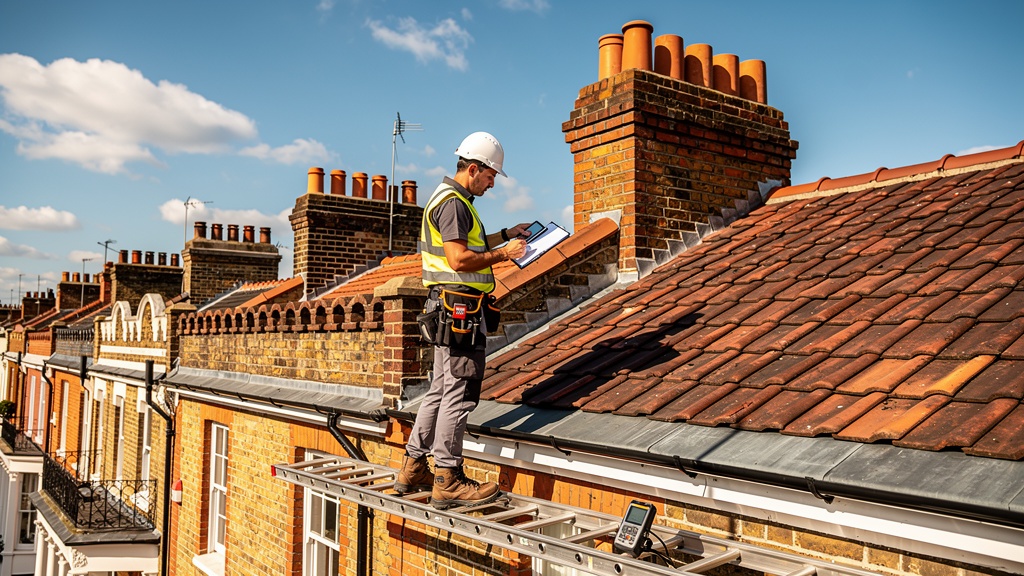
Victorian terraces dominate South London's housing stock — and they're one of the most rewarding properties to survey. Each one tells a story through its materials, craftsmanship and the various hands that have modified it over 130+ years. I'm David Marsh, building surveyor at Clapham Surveyors, and in this guide I'll walk you through exactly what we check in a Victorian house survey — and why.
Why Victorian Properties Need a Level 3 Survey
Victorian properties (typically built between 1837 and 1901) present specific challenges that make a standard Level 2 survey insufficient in most cases. At over a century old, these buildings have experienced:
- Multiple cycles of repair, alteration and renovation — some done well, some not
- The failure of original materials — slate roof coverings, lime mortar, lead flashings, timber joinery
- Changes in use and layout — chimney breast removals, floor openings, external extensions
- The effects of London Clay ground movement over decades
Only a Level 3 building survey provides the depth of assessment needed to capture and report on this complexity reliably. Read more: Level 2 vs Level 3 Survey.
The Roof
We start at the top. Victorian terraced roofs are typically pitched with clay or natural slate tiles. Common findings include:
- Slipped or missing slates: Often caused by nail fatigue — the original iron nails corrode and the slates slide. Widespread slippage may indicate the roof is approaching end of life.
- Failed lead flashings: At abutments, chimney stacks and valley gutters. Failed flashings are a primary cause of water ingress.
- Deteriorated or blocked gutters: Cast iron gutters crack and joints fail with age. Blocked gutters cause water to overflow and saturate walls — leading to damp internally.
- Chimney stacks: Failed pointing, spalling brickwork, cracked flaunching and leaning stacks are all common findings.
Inside the roof void (accessible in Level 3): we check for adequate ventilation, condition of timbers (looking for woodworm, wet rot, dry rot), and any evidence of water ingress or previous repairs.
External Walls and Structure
Victorian terraces were built in solid brick (typically 9-inch or 13.5-inch thick walls). We check:
- Pointing: Weathered or missing mortar allows water ingress. Inappropriate cement repointing (using hard Portland cement on soft Victorian brickwork) causes serious long-term damage.
- Cracks: We assess all visible cracking for pattern, width and likely cause. See our guide: Structural Defects in London Properties.
- Bay windows: Foundation movement here is extremely common. We assess severity and whether movement is active or historic.
- Extensions and alterations: We check whether extensions are structurally adequate and whether any building control certificates exist.
Damp and Moisture
We use calibrated moisture meters and thermal imaging cameras to check all accessible walls and floors for elevated moisture levels. Read our dedicated guide: Damp in Victorian Houses.
Floors
Original Victorian ground floors are typically suspended timber over an underfloor void. We check for:
- Evidence of damp in the underfloor void (if accessible)
- Movement or springiness in the floors (indicating joist failure)
- Signs of woodworm or rot in visible timbers
- Adequacy of sub-floor ventilation
Services: Drains, Electrics, Gas and Heating
We assess services visually — noting condition and age. Key concerns in Victorian properties include:
- Drainage: Original clay pipes are prone to root ingress, fracture and blockage. We recommend CCTV drainage surveys where there's evidence of problems.
- Electrics: Pre-1990s installations are frequently outdated and may need rewiring.
- Heating: Old boilers and single-pipe systems may be inefficient and need replacement.
What Our Surveyors Spend Most Time On
In a typical Level 3 survey on a Clapham-area Victorian terrace, our surveyors spend the most time on: the roof structure and covering (particularly flashings and chimney stacks); the sub-floor void (assessing for damp, ventilation and timber condition); and any areas of visible cracking or past alteration. These are the areas most likely to reveal significant — and costly — defects.
FAQs
For a standard two-storey Victorian terrace, allow 3–4 hours for the physical inspection. Larger properties or those with additional complications (multiple extensions, restricted access) may take longer. The written report follows within 5–7 working days.
All older properties have some defects — that's normal after 130+ years. The question isn't whether there are problems, but which ones and how significant. Many Victorian properties in South London are in excellent condition and represent superb long-term investments — but only with proper professional assessment.
In our professional opinion, yes — for Victorian properties in the Clapham area, a Level 3 building survey is almost always the right choice. The additional cost over a Level 2 is modest; the additional depth of assessment is significant. See our full comparison: Level 2 vs Level 3 Survey.
Book your Victorian house survey with Clapham Surveyors today — local expertise you can rely on. Get a free quote.