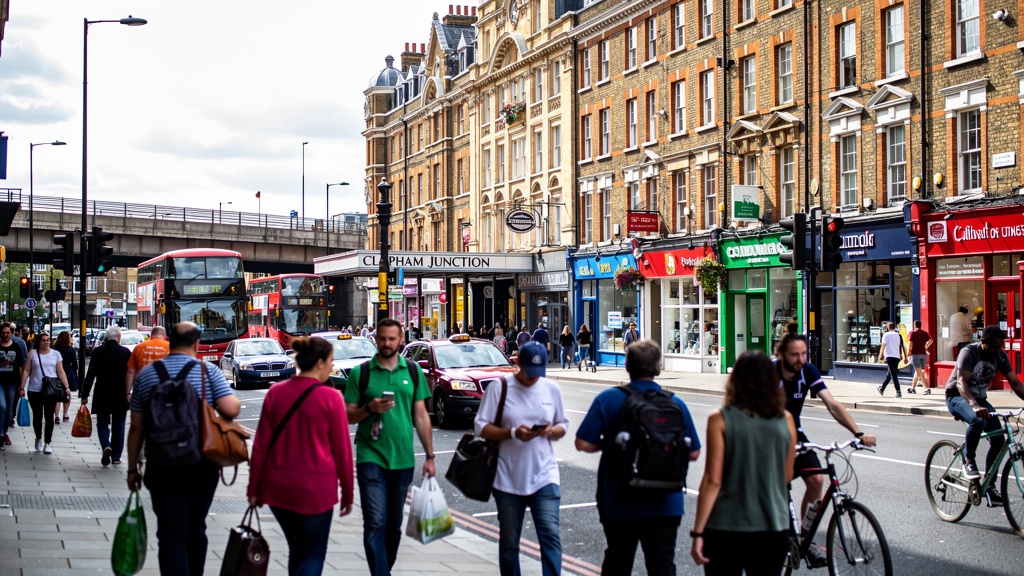
Clapham Junction is one of London's best-connected locations — not just as Europe's busiest railway junction, but as a living, breathing community with independent shops, restaurants and a hugely varied property market. Clapham Surveyors is based nearby, and James Hartley has surveyed dozens of properties in the SW11 area. Here's what every prospective buyer needs to know.
Clapham Junction: An Overview
Despite sharing "Clapham" in its name, Clapham Junction is technically located in Battersea — the historic boundary runs along St John's Road. But for property purposes, it's usually considered part of the broader Clapham market, and the SW11 postcode is one of the most searched in South West London.
The area offers excellent rail connections to Waterloo, Victoria and the South West, as well as National Rail services. This transport accessibility is a significant factor in property values — and means the market moves quickly. Properties that aren't surveyed early enough regularly cause buyers to lose their position in chains when issues emerge late.
Property Types Around Clapham Junction
The SW11 area includes a wider range of property types than almost anywhere else in South London:
- Victorian and Edwardian terraces: South of the station — particularly on St John's Hill, Battersea Rise and the streets off them. These properties are typically 120–130 years old and benefit from a Level 3 building survey.
- 1930s semis and terraces: Towards the Wandsworth boundary. Cavity wall construction — a Level 2 home survey is usually appropriate unless there are signs of significant defects.
- New build apartments: The area around the station and the broader Nine Elms regeneration zone has seen significant new development. If you're buying new build, you need a snagging survey.
- Mansion flats: The large, red-brick mansion blocks around Clapham Junction are popular and well-built, but require careful leasehold due diligence. See our leasehold guide.
What Our Surveyors Find Most Often
Based on surveys carried out in SW11 and the surrounding area, the most common findings include:
- Party wall issues arising from the high density of loft conversions and rear extensions in Victorian terrace streets
- Damp in lower ground floor accommodation — particularly in streets close to the Falconbrook watercourse
- Evidence of historic subsidence in streets with large mature trees
- Short leases on older mansion flat conversions
- Drainage defects in original clay sewer connections
New Builds at Clapham Junction
The regeneration of the former Clapham Junction shopping complex and ongoing Nine Elms development mean there's a steady supply of new build properties coming to market near the station. Don't assume new means perfect — our snagging surveys regularly find dozens of defects in brand-new completions. See our guide: New Build Snagging: Why You Should Never Skip This Survey.
James's Top Tips for Clapham Junction Buyers
- Get a survey early — before your mortgage offer arrives if possible. SW11 chains move fast.
- For Victorian terraces on Battersea Rise and surrounding streets: go for a Level 3, not a Level 2. The age of these properties warrants it.
- If buying a mansion flat, check the lease length, service charge history and whether any major works are planned.
- The high volume of loft conversions in this area means party wall notices are frequently served — if the property has been recently altered, check whether the previous owner complied with the Party Wall Act.
Book a Survey Near Clapham Junction
Whether you're buying a Victorian terrace, a period flat or a new build near Clapham Junction, Clapham Surveyors has the local knowledge and expertise to help. Get a free, no-obligation quote today — we respond within one working day.
See also: Our Clapham Junction area page | Buying Property in Balham | South London Property Survey Guide